

The Allure of Casinos: Understanding the Environment
Casinos are meticulously designed to create an immersive experience that captivates players and keeps them engaged for extended periods. The combination of lighting, sound, and layout plays a significant role in influencing player behavior. Bright lights and visually appealing slot machines attract attention, while the sounds of coins falling and celebratory music enhance the excitement, creating a euphoric atmosphere. Many players also appreciate websites like effabrush.com for additional perspectives on the gambling experience.
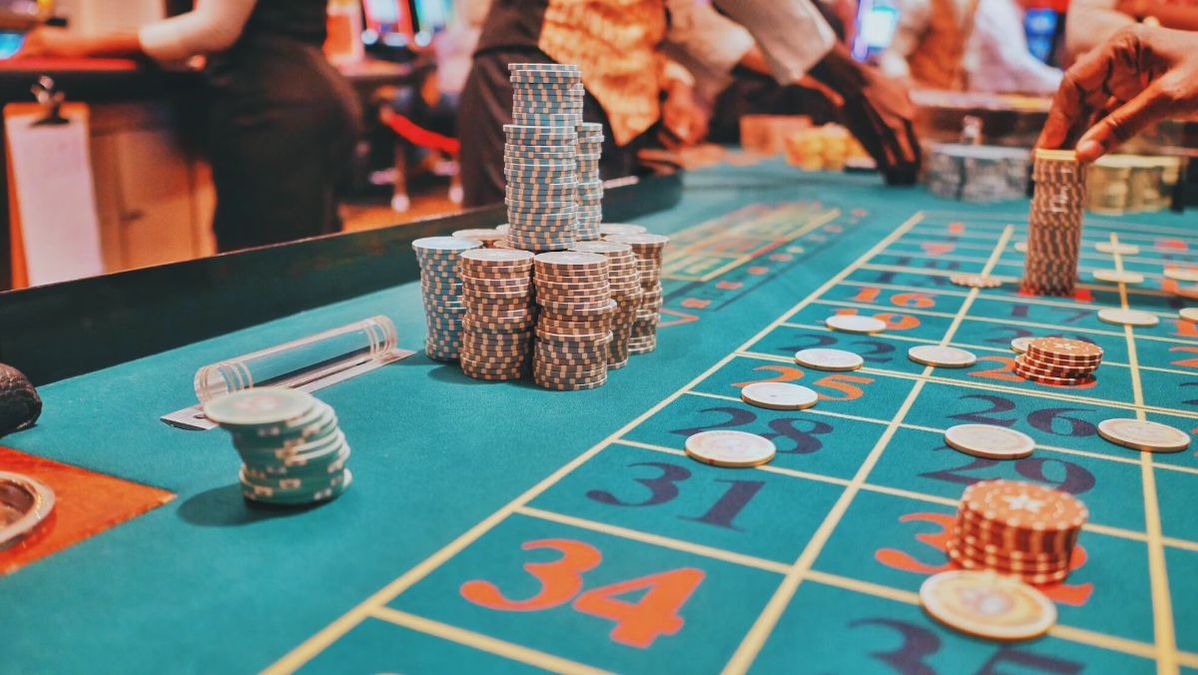
The layout of a casino is also strategic. Games are arranged to encourage exploration, often leading players through various sections and enticing them to try different games. This design taps into the psychological concept of the ‘free choice paradox,’ where the abundance of options creates a sense of freedom, ultimately leading to prolonged play and increased spending.
The Role of Randomness in Gambling Psychology
One of the most significant psychological tactics employed in casino games is the element of randomness. Games like slots and roulette rely on chance, which can create a sense of thrill and unpredictability. This randomness feeds into the gambler’s fallacy—a cognitive bias where players believe they can predict outcomes based on past events, leading them to engage in riskier behavior. Additionally, this uncertainty is a crucial aspect of the gaming experience, as players often seek the adrenaline associated with unpredictable results.
Moreover, the near-miss effect—where players come close to winning but ultimately lose—can reinforce the desire to continue playing. This psychological phenomenon makes players feel as though they are just one step away from victory, encouraging them to keep wagering in hopes of eventually achieving a win, even when statistically, their chances remain low.
Behavioral Reinforcement: The Impact of Wins and Losses
In casino settings, positive reinforcement plays a crucial role in shaping player behavior. When a player wins, even if it’s a small amount, the brain releases dopamine, a neurotransmitter associated with pleasure and reward. This chemical reaction reinforces the behavior, making the player more likely to return to the casino in hopes of replicating the success.
Conversely, losses can also play a role in reinforcing behavior. Many players experience a phenomenon known as ‘loss chasing,’ where they continue to gamble in an attempt to recover previous losses. This response is driven by a desire to regain control and can lead to a dangerous cycle of increased risk-taking and diminished financial awareness.
The Influence of Social Factors on Casino Play
Social dynamics play a significant role in how players behave in casinos. The presence of other players can enhance excitement and competition, creating an atmosphere that encourages more gambling. Social interactions, such as cheering for a friend’s win or experiencing collective disappointment after a loss, contribute to a sense of community, making players more likely to engage in prolonged gambling sessions.
Additionally, the impact of marketing and promotions cannot be understated. Casinos often host events or offer incentives such as free drinks, meals, or loyalty points, enticing players to stay longer and spend more. These strategies tap into both social behavior and the psychological desire for belonging and rewards, effectively influencing player choices and extending their visits.
Unlocking Resources for Gambling Awareness
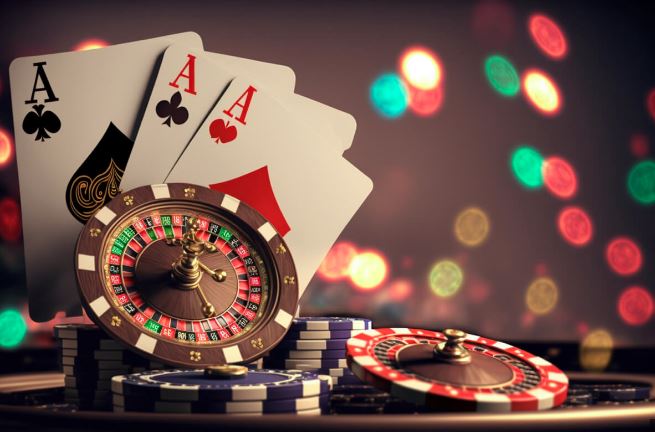
Understanding the psychological tactics behind casino games and player behavior is essential for fostering responsible gambling practices. Websites dedicated to providing resources about gambling behavior, risks, and management strategies empower players to make informed decisions. Such resources highlight the importance of self-awareness and responsible gambling, assisting individuals in recognizing the signs of problem gambling.
Ultimately, by exploring the psychological aspects of gambling, players can develop a better understanding of their behavior and motivations. This awareness can lead to healthier gambling habits and a more enjoyable experience, allowing individuals to engage with casino games responsibly while minimizing the risks associated with excessive gambling.